
A bassline can be polite. Speed garage rarely asks it to be.
It bends, barges into the space between drum hits and disappears just long enough to make its return feel bigger. Move across to Afro house and the attraction changes: percussion threads around a steady kick, with small rhythmic details doing the work of a much larger arrangement. Hard techno brings another proposition. The kick becomes the center of gravity, and everything around it has to earn its place.
Three sounds. Three ways of getting under your skin.
They also make an interesting snapshot of electronic music right now. Producers are showing renewed interest in these styles, but their appeal cannot be squeezed into one explanation about faster tempos or bigger drops. Afro house can draw power from patience. Garage finds room for mischief. Hard techno can turn repetition into a physical challenge.
The interesting question is what each offers that the others do differently.
AFRO HOUSE LETS THE GROOVE UNFOLD
There is a particular pleasure in a track that gives its percussion time to develop. A shaker, a repeating drum phrase and a bass note can establish a relationship that feels complete before a huge melody ever arrives. Adding another sound then becomes a decision with consequences.
That leaves room for different personalities. Vocals can carry the emotional center. A melodic phrase can stretch the atmosphere. The rhythm can stay prominent enough that even a restrained arrangement has something happening inside it.
The danger comes when a broad label makes those differences disappear. Afro house is not explained by adding a vaguely “African” percussion loop to a house track. The people and musical traditions behind the sound matter.
Afro house’s connections with South African musical culture, kwaito, deep and soulful house give the story a depth that a production shortcut cannot supply. Hearing the music only through whichever international clip happens to arrive on a phone screen leaves much of that world outside the frame.
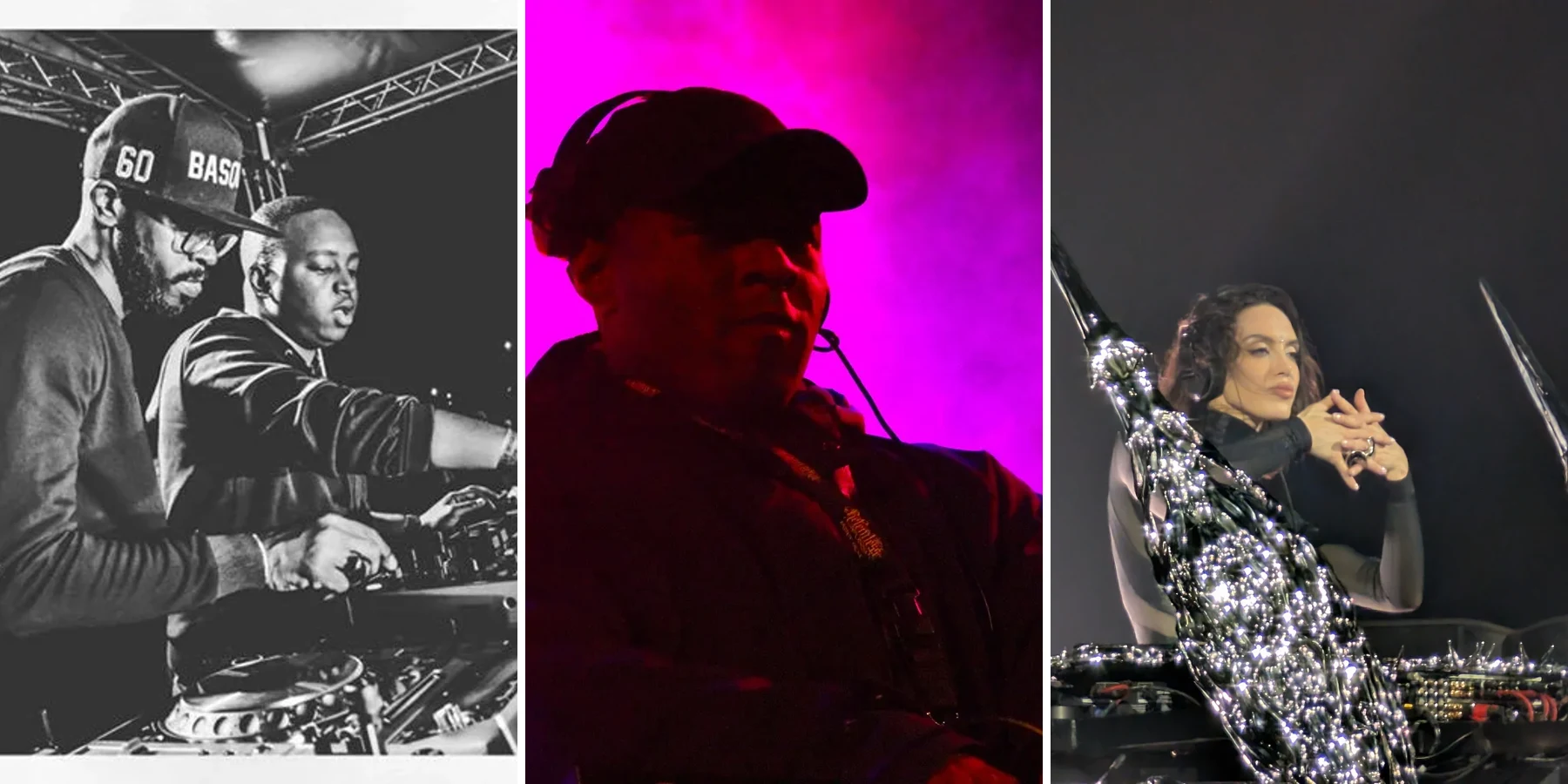
Black Coffee, Shimza and Da Capo offer starting points for exploring that wider world. Beatport includes all three in its Afro-house coverage, but a category is an invitation to investigate their differences.
That is where discovery gets interesting: when an artist's choices start to matter more than the label attached to the track. The percussion may introduce the attraction. The voice, restraint or unexpected turn in the arrangement gives you a reason to stay.
GARAGE PUTS A GRIN IN THE BASS
Speed garage has less interest in standing still and looking elegant.
At its most appealing, the bass seems to have its own agenda. It pushes against the drums, answers a chopped vocal and leaves an awkward little gap that turns out to be exactly where the groove needed space.
That bounce does not require a complicated arrangement. Swing—the uneven spacing of rhythmic subdivisions—can loosen the smaller drum parts around a steady pulse. A short bass phrase can then do more damage than a busy melody.
The speed in the name can be misleading if it becomes the only thing a newcomer notices. The character is in the phrasing. A track can move quickly and still feel stiff; a well-placed pause gives the next hit somewhere to land.

There is also a distinction worth keeping clear. Speed garage commonly uses a four-on-the-floor foundation. UK garage is a wider family, and 2-step is not simply another name for the same drum pattern. A good mix can connect those ideas without erasing the differences.
DJ EZ offers a route into that wider garage world through the art of the mix itself. His Rinse FM archive includes a back-to-back session with Todd Edwards, giving the conversation between selections room to unfold.
The next track matters. A bass phrase can leave a question hanging; a vocal can provide the answer. A mix lets those relationships develop across different productions, with the DJ deciding when to hold the feeling and when to change it.
That makes garage an inviting place for both new listeners and people returning to a sound they already know. Recognizing a rhythmic idea is one pleasure. Hearing somebody find a fresh way through it is another.
HARD TECHNO MAKES THE KICK THE MAIN CHARACTER
A hard-techno kick has a job to do. It establishes the pressure, gives the arrangement its center and makes even a small interruption feel significant.
Distortion and sharp percussion can increase that sense of force, but piling aggression onto every sound is no guarantee of a compelling track. If nothing changes its role, intensity can become wallpaper.
The more interesting question is how the pressure moves. A hat pattern can sharpen the pace. An abrasive synth can introduce tension. Removing part of the arrangement can make the returning kick feel larger without adding another layer.
Sara Landry provides a specific example of how much detail can sit inside that force. Ableton’s interview about her production discusses industrial textures, four-on-the-floor drums and the smaller rhythmic touches around them. On “Queen of the Banshees,” an acid pattern repeating across three bars gives the arrangement another rhythmic cycle to work against.
There is craft inside the impact. The sound may arrive with its elbows out, but someone still has to decide where those elbows go.
Hard techno also deserves its own identity. Hard house and hardstyle have their own histories and conventions. Calling the whole area “fast music with a hard kick” is about as useful as describing every spicy meal as the same dish.
THE NUMBERS TELL ONE PART OF THE STORY
The interest is measurable in one corner of music production. In an October 2026 analysis covering September 2025 through August 2026, Splice reported year-over-year growth in genre-search share of more than 160% for speed garage, more than 50% for Afro house and 27% for hard techno.
Those are searches on a sample platform. They are not attendance figures, ticket sales or a vote from every dancefloor.
What they do show is curiosity among producers using that platform. The next question is what those producers make—and whether their tracks offer something that lasts beyond an attention-grabbing preview.
A growing category can lead someone toward a sound. It cannot supply the personality of the music they make with it.


THERE IS ROOM FOR MORE THAN ONE KIND OF NIGHT
Electronic music gets less interesting when discovery turns into a loyalty test. Someone can enjoy the patience of an Afro-house arrangement and still want the direct pressure of a harder set. A longtime techno listener can find a garage bassline irresistible without surrendering an identity card at the door.
Newer listeners bring curiosity without decades of expectations. Experienced fans bring connections that a short clip cannot provide. Both have something to gain from following a track beyond its genre tag.
That is also a better way to choose a night out. A full DJ mix tells you more about an artist’s pacing and musical decisions than a few seconds of the biggest reaction. The actual lineup, venue and event description then help turn that interest into a plan.
Afro house, speed garage and hard techno do not need to fight for one imaginary crown. Their differences are the attraction.
One lets a groove develop until the small details take over. Another gives the bass enough attitude to start an argument. The third builds a world around the kick.
Some nights, you know exactly which one you want. Other nights, the DJ gets to surprise you.
Distinct musical identities give listeners several routes into electronic music. All six named artists connect to existing profiles.
Sample-platform search activity does not measure club attendance or prove a universal audience preference.
REPORTING SOURCES
Public reporting and primary references used to check this story. Analysis and illustrative examples are distinguished from disclosed earnings and private financial records.