

Some basslines growl. Others squelch, scrape or bounce. A kick drum can sound like a blunt punch, while a tiny percussion hit makes the whole rhythm feel slightly off balance.
Put the right sounds together and the reaction is immediate: a head nod, a grin, that expression people make when a track gets filthy.
That’s the appeal of dirty beats.
The sound runs through techno, tech house, drum and bass, dubstep and other corners of electronic music. Sometimes it’s loud and aggressive. Sometimes it’s surprisingly stripped back. A clean kick, a strange bassline and a shuffled hi-hat can create plenty of attitude.
The dirt comes from how those sounds move together.
WHAT MAKES A BEAT DIRTY?
“Dirty beats” describes a sound and a feeling, but the phrase also has a place in dance music’s marketplace.
Beatport carries artists, labels and releases using the name. Traxsource lists tracks called “Dirty Beats,” too. The words can help listeners discover music, even when those records sit under established categories such as house, drum and bass or dubstep. [1][2][3]
That gives the phrase a life beyond casual conversation. It appears in the names attached to music people can find, play and buy.
Could it become a bigger musical identity? Possibly. Its appearance in those stores doesn’t establish a separate genre or prove that a new movement is growing. Some uses of the name go back years. But “dirty beats” already gives people a phrase to explore—and producers an idea to build around.
Musically, that idea points toward a combination of grit, bass weight, unusual textures and rhythmic personality.
Distortion is one ingredient. It can turn a smooth synth into something that buzzes or growls. A drum might gain a crunchy edge. A vocal fragment might sound as though it has been dragged through an old radio.
But some of the dirtiest grooves barely sound distorted at all.
A bass note lands just before the kick. A hi-hat hangs slightly behind the rhythm. A short, odd noise appears in exactly the right gap. Each sound is simple, but their timing creates tension and bounce.
That’s why dirty, dark, funky and raw describe different qualities.
Dark music can feel eerie or threatening. Funky music has a strong rhythmic personality. Raw music can sound exposed or deliberately unpolished. Dirty music may have some of those qualities, but its character can also be playful, colourful and strange.
There’s room for a growling bassline to have a sense of humour.
DIRTY TECHNO: PRESSURE IN EVERY BEAT
Techno can build an enormous amount of energy from a small number of sounds.
A kick hits on every main beat. Beneath it sits a low rumble. Metallic percussion cuts across the rhythm, and a rough synth tone slowly changes shape.
The pattern repeats, but it doesn’t stand still.
A longer kick tail adds pressure. A percussion hit moves into the foreground. The hats disappear, leaving the low end exposed. When they return, the rhythm feels newly charged.
In gritty techno, repetition makes those details more noticeable. A small change can feel dramatic because the
listener has settled into the pattern.
Artists such as Perc, Paula Temple, Surgeon and Regis offer different examples of how force, texture and repetition can shape a track. Their music covers distinct approaches, from abrasive percussion to tightly focused, hypnotic movement.
Paula Temple’s production interview explores the techniques behind her intense techno, while her Colonized release includes remixes by Perc. Those are concrete starting points for hearing different approaches to industrial texture. [4][5]
The weight often comes from the relationship between the kick and everything surrounding it. A rough sound becomes more powerful when the rhythm gives it a clear place to land.
DIRTY TECH HOUSE: BASS WITH PERSONALITY
Tech house often puts the bounce front and centre.
The kick holds a steady pulse while the bass moves around it. Short notes jump into the gaps. Hats shuffle overhead. A clipped vocal or an unexpected electronic noise gives the track a memorable detail.
A bassline might sound rubbery, squelchy or almost like a voice pulling a face.
Its personality comes partly from the sound itself and partly from the phrasing. One note stretches. Another ends quickly. A pause creates anticipation before the phrase starts again.
That empty space matters. It lets the kick punch through and gives the bassline room to answer.
The bass-heavy music associated with Dirtybird offers a useful example. Producers including Claude VonStroke, Justin Martin and Ardalan have explored different combinations of groove, unusual sounds and playful energy. [6][7]
Dirtybird has its own history as a label and community. It doesn’t define every gritty house track, but it shows how a recognisable musical identity can grow around a shared attitude.
The sound can be heavy without losing its sense of fun.
DIRTY DRUM & BASS: FAST RHYTHMS, TWISTING LOW END
Drum and bass brings another kind of movement.
Fast drums push the track forward while bass phrases bend, growl and change direction underneath them. A busy section can suddenly drop into a simple rhythm, making one bass note feel huge.
The detail can be extraordinary. A brief sound may shift in tone several times before the next snare arrives.
One important part of this musical vocabulary is the Reese bass. The name traces back to Kevin Saunderson’s work as Reese, and the sound became an important reference in jungle and drum and bass. [8]
A common approach uses slightly detuned tones to create a thick, moving texture. Filtering, distortion and resampling can transform that movement into something much rougher.
Ed Rush & Optical, Noisia, Black Sun Empire and Mefjus provide different listening routes into dark bass textures and detailed production.
Their work also reveals something easy to miss: an aggressive sound can depend on careful organisation. Noisia’s interviews discuss both their production choices and the influence of darker drum and bass, including Ed Rush & Optical. [9]
The bass may seem wild, but its timing, changing tone and relationship with the drums can be tightly controlled.
DIRTY DUBSTEP: THE WEIGHT OF THE GAP
Dubstep shows how much impact a track can create by leaving room.
A bass phrase hits, hangs for a moment and stops. The next drum arrives in the space it
leaves behind.
That pause becomes part of the rhythm.
Early dubstep often focused on deep sub-bass, sparse drums and atmosphere. The music could feel heavy without constantly filling the midrange with distortion.
As different branches developed, producers explored harsher bass tones, stronger modulation and more dramatic contrasts between sections.
Skream, Benga and Coki offer different perspectives on the music’s early development. Later producers pushed bass processing and arrangement in other directions. Skream and Benga’s first-person accounts describe the early influences and the people exchanging ideas around the sound. [10][11]
Across those approaches, space remains a powerful tool. A huge sound needs somewhere to arrive, and a quieter passage can make the next hit feel more intense.
Heavy music doesn’t have to be busy every second.
HOW THE ROUGHNESS GETS INTO THE SOUND
Behind the grit are several ways of changing an audio signal.
Saturation can add thickness and alter the tone. Used gently, it may give a drum more body. Pushed harder, the roughness becomes easier to hear.
Distortion can produce a stronger transformation, turning a smooth sound into something buzzy, biting or aggressive.
These processes can introduce additional frequency components. A deep bass note may gain higher harmonics that make its character easier to hear through smaller speakers. [12]
The speaker hasn’t suddenly learned to reproduce deeper bass. There is simply more information about the note above its lowest frequency.
That helps explain why a bassline can sound present on a phone while still carrying deep weight on a larger system.
The effect has limits, though. Heavy processing can flatten the sharp beginning of a drum or make several instruments harder to separate.
A sound that seems impressive on its own may become less useful when the rest of the track returns.
THE GROOVE CAN SUPPLY THE DIRT
Effects explain only part of the feeling.
Timing changes how a beat moves. So do accents, note lengths and the spaces between hits.
A row of identical hi-hats can feel rigid. Quieter hits between stronger accents can create motion. A percussion sound placed slightly later can pull against the main pulse.
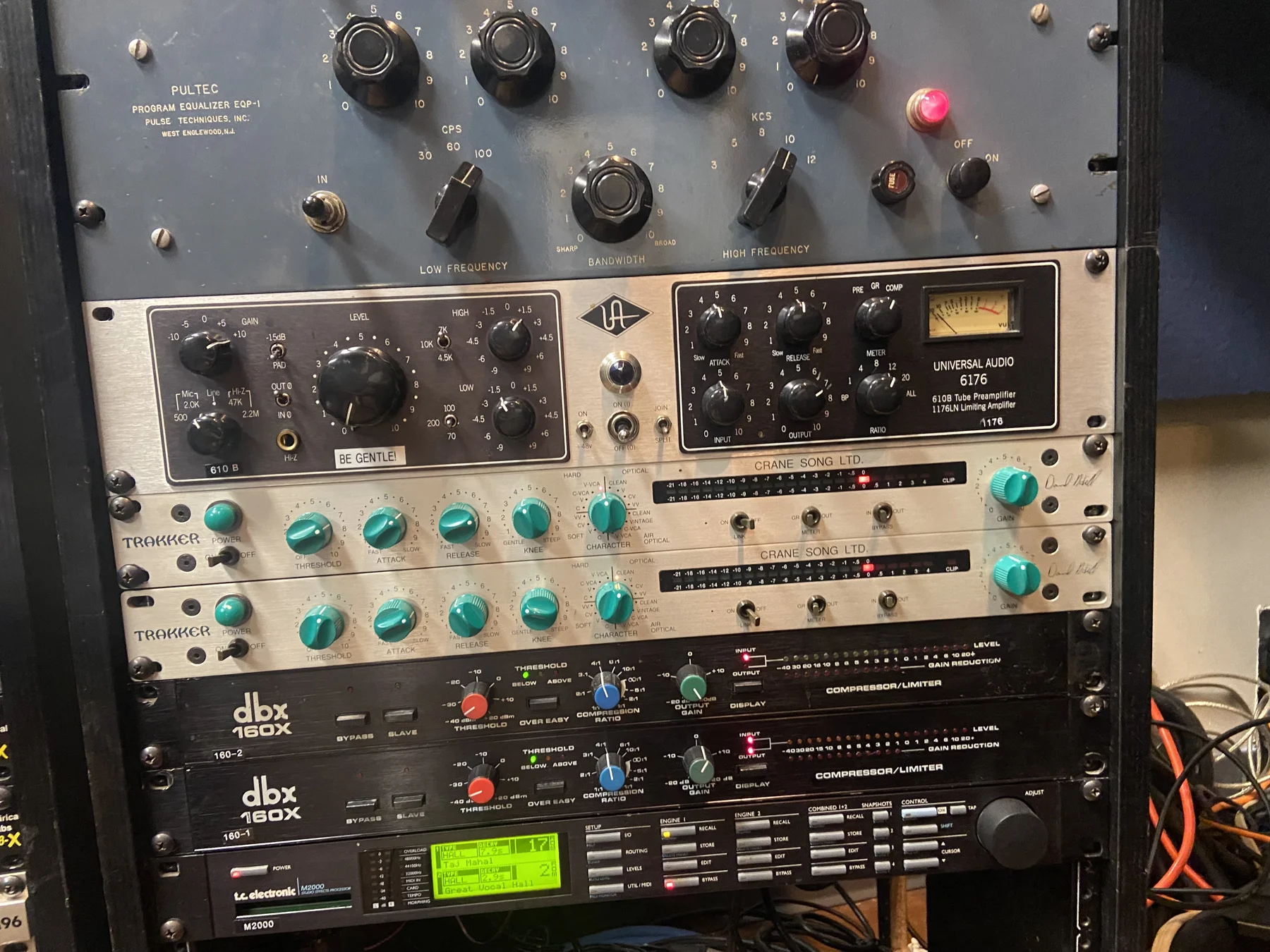
Swing changes the spacing of certain rhythmic subdivisions. Microtiming involves smaller shifts in individual note positions. Ghost notes add quieter details around the main hits. Ableton’s groove tools separate timing and velocity—the strength of the notes—so those influences can be adjusted independently. [13]
Those choices can make a rhythm feel loose, tense, relaxed or restless.
They also affect how the bass behaves. A short bass note leaves a clean opening for the kick. A longer note can pull across it, creating a different kind of pressure.
The groove belongs to the whole pattern. A particular swing setting or drum sample can’t create that relationship by itself.
Sometimes the most important sound in a dirty beat is the silence before the next note.
SMALL SOUNDS CAN BECOME SOMETHING HUGE
Electronic production gives ordinary recordings unusual possibilities.
A metal tap can become a percussion hit. A mechanical rattle can turn into a bass texture. A brief sound, pitched and stretched, can become almost unrecognisable.
Producers can record a processed sound as a new audio
file, then cut it apart and work on it again. That process, called resampling, makes complex sound movements easier to rearrange. [14]
A changing synth phrase becomes a collection of small pieces. Those pieces can be shortened, reversed, repeated or placed into a new rhythm.
The result can feel less like a preset and more like an instrument with its own behaviour.
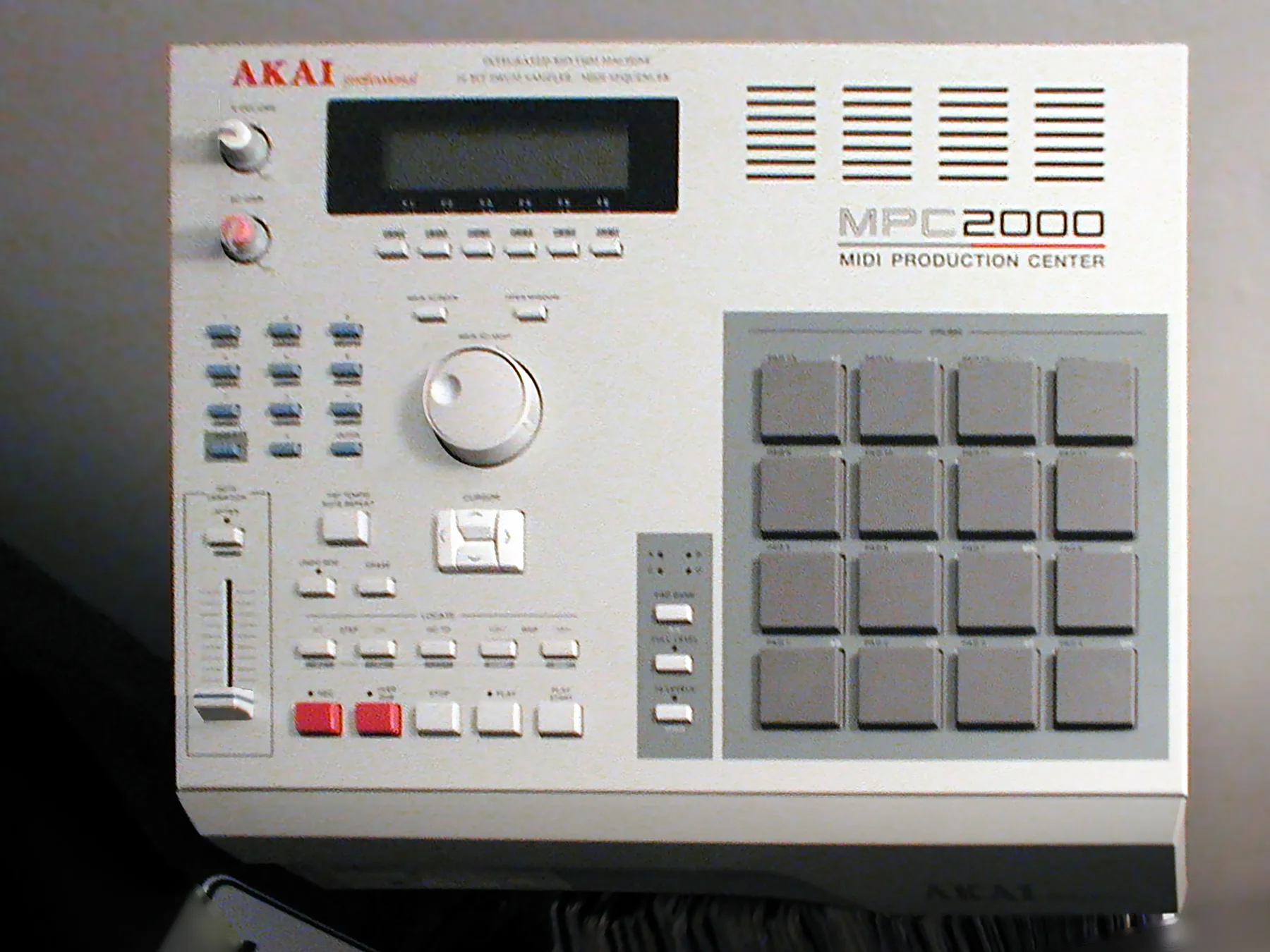
Samplers helped make this way of thinking central to many kinds of music. Instead of treating a recording as something fixed, producers could use it as material for a new composition.
The strongest results still depend on the musical choices around the sound. An unusual noise becomes memorable when it belongs to a phrase.
WHY DISTORTING EVERYTHING CAN MAKE A TRACK FEEL SMALLER
More grit doesn’t always mean more impact.
If the kick, bass, percussion and synths all fight for attention, their differences become harder to hear. The low end can blur. Sharp attacks can disappear into a dense block of sound.
Contrast gives the ear something to follow.
A clear kick can stand out against a rough bassline. Crisp hats can cut through a dark background. A distorted percussion hit can feel especially fierce when it appears briefly.
That contrast also gives the arrangement somewhere to go. A restrained section creates room for a more intense one.
Even raw-sounding music benefits from decisions about what leads and what supports it. The roughness may be obvious; the organisation underneath it can be much harder to notice.
A powerful mix lets both do their jobs.
HOW THE SOUNDS TRAVELLED
The dirty sound has no single birthplace.
Drum machines, samplers and synthesizers became part of different scenes, and producers found different possibilities inside them. Sounds moved between records, parties and cities. The same musical idea could take on a new role when placed inside another rhythm.
A bass sound associated with Detroit could become material for jungle. Influences from UK garage and sound-system culture helped shape early dubstep. House producers could bring a rougher bass texture into a playful, stripped-back groove.
Those connections don’t make the genres interchangeable. Each developed through its own people, places and musical decisions.
They do help explain why a familiar sound can appear in a track that feels completely different.
Electronic music keeps changing because producers hear something in an existing idea and take it somewhere else.
MORE THAN A GENRE—A FEELING
Dirty beats can turn up across electronic music, from a bouncing tech-house bassline to pounding techno or a twisted drum-and-bass track.
The phrase has a presence in music stores, but it still works best as a description of character: grit, weight, groove and a little unpredictability.
For listeners drawn to that feeling, several artists offer different routes into it.
Claude VonStroke and Justin Martin bring bass-heavy grooves, unusual sounds and playful energy to house and tech house. Their music shows how a track can feel filthy while keeping its bounce. Their productions and recorded DJ sets offer different ways to hear that character. [6][7]
Perc and Paula Temple explore a harder edge through abrasive percussion, industrial textures and forceful techno. The pressure comes

from both the sounds and the way the rhythms drive forward. [4][5]
Noisia and Ed Rush & Optical provide another direction through dark drum and bass, shifting bass tones and detailed production. Their recordings reveal how carefully controlled sounds can create a wild result. [9]
These artists don’t all make the same music, and “dirty beats” isn’t a genre label they all share. What connects these listening choices is a physical edge—a bassline, texture or groove that demands attention.
The genre gives the track a home. The dirt gives it attitude.
A shared musical description can help listeners explore different genres and discover artists through the sounds they enjoy.
The same search words can identify an artist, label or track title. Those results should not be mistaken for an official genre or proof of popularity.
REPORTING SOURCES
Producer interviews, cultural histories and official audio documentation used to check this feature. The workshop exercises are original examples.
- Beatport — Dirty Beats artist catalogue ↗
- Beatport — Dirty Beats Music label ↗
- Traxsource — Dirty Beats (The Remixes) ↗
- Resident Advisor — The Art of Production: Paula Temple ↗
- Resident Advisor — Paula Temple, Colonized and Perc remixes ↗
- Mixmag — Claude VonStroke and the Dirtybird sound ↗
- DJ Mag — Justin’s Time ↗
- Kevin Saunderson — Red Bull Music Academy lecture ↗
- MusicRadar — Noisia production interview ↗
- Skream — Red Bull Music Academy lecture ↗
- Benga — Red Bull Music Academy lecture ↗
- Yamaha — Distortion and Saturation ↗
- Ableton — Using Grooves ↗
- Ableton — Routing and I/O ↗