
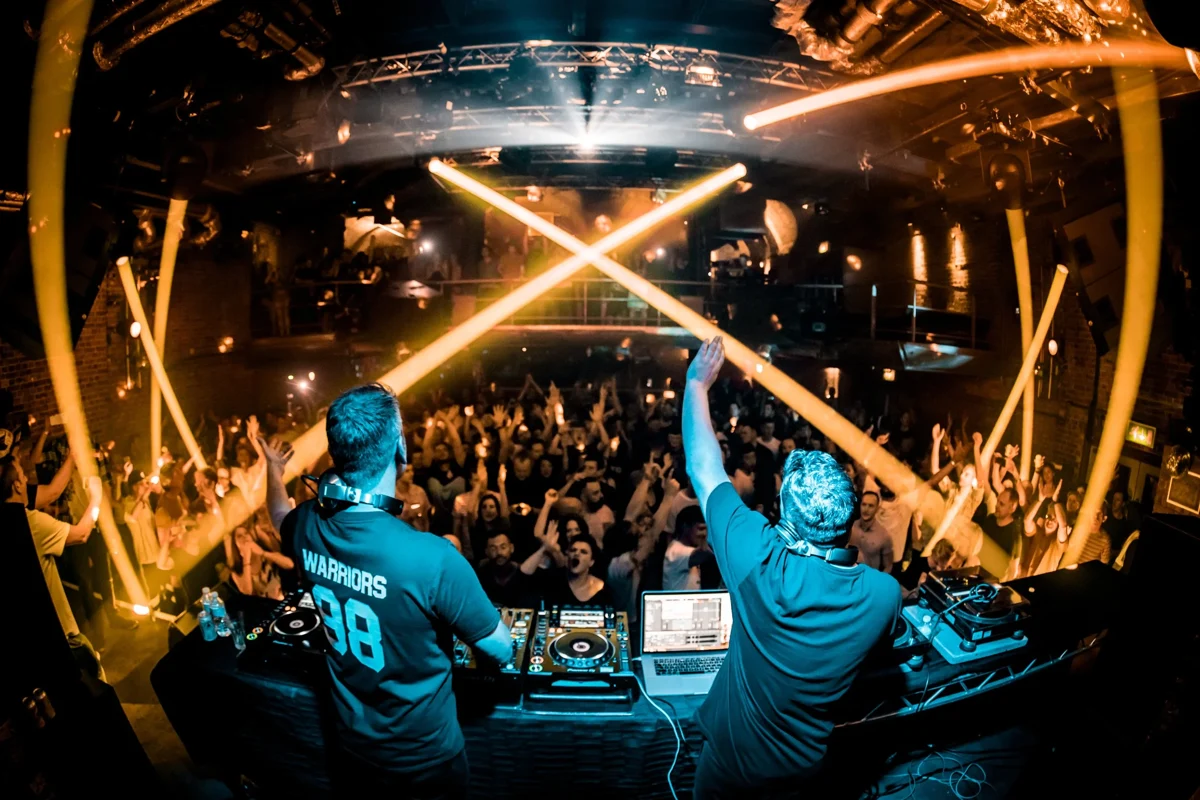
Florida has a pretty good answer to the question “What is breakbeat?” Ask for breaks and somebody is liable to hand you a DJ Icey mix. Ask a drummer the same question and you might get six seconds of a soul record from 1969. Both have answered you. One has named a sound that helped define Orlando club nights. The other has gone straight to the moment when the rest of the band gets out of the drummer’s way.
Listen to The Winstons’ “Amen, Brother.” The horns have a tune you could hum on the way home. Then they stop. Gregory Coleman keeps playing, and for a few bars you can hear the little disagreements between his hands and feet. The cymbal keeps time. A snare lands where you thought there might be a little more air. By the time the horns come back, the most famous part of the record is over. Coleman played that passage once. Other people have spent decades working out what else it could do. [14]
TWO COPIES OF THE GOOD PART
A dancer who wanted more of a break had a problem. The band had already recorded the rest of the song. At Bronx parties in the 1970s, DJ Kool Herc used turntables to give dancers longer stretches of the percussion they came for. Picture the practical job with two copies of a record. One copy plays out loud while the DJ finds the start of the break on the other. The handover has to land where the next beat belongs. Get that right and the band can wait another few bars to come back. [13]
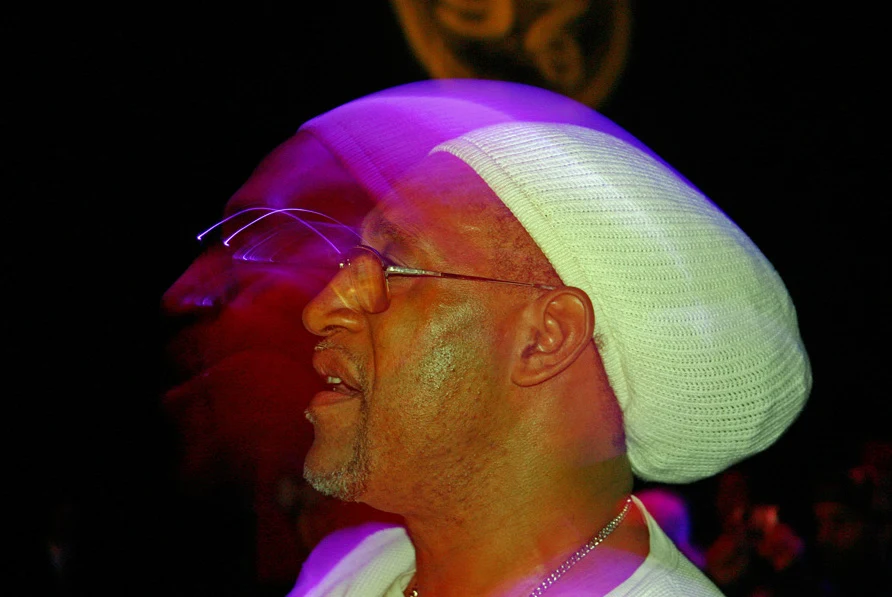
There were plenty of good parts to choose from. On James Brown’s “Funky Drummer,” Clyde Stubblefield keeps the hi-hat busy enough that even his quiet snare strokes have something to rub against. On the Incredible Bongo Band’s “Apache,” the percussion practically argues over who gets the next word. Put either beside “Amen, Brother” and it’s easier to hear why the choice of record mattered. Those drummers had different ideas about what to do with the same amount of time.
A sampler let a producer get inside the performance. The DJ extending a break could take you back to the start of Coleman’s phrase. A jungle producer could take just his snare, repeat it three times and send the phrase somewhere Coleman never played it. Underneath all that activity, a bass note could hang there for what felt like ages. Follow the bass and there’s room to sway. Follow the snare and suddenly you’ve got your work cut out.
THE RECORD YOU ALREADY KNOW
For plenty of listeners the way in was a bass riff. The Chemical Brothers’ “Block Rockin’ Beats” gives you one you can recognise before anybody gets around to telling you what genre you’re hearing. When the drums come in, the riff keeps its shape. Try tapping your foot to that bass and drumming the snare on the table. One hand and one foot can give you a fair idea of why this music caught on.
Fatboy Slim gets mileage out of a voice on “The Rockafeller Skank.” Hear the same few words enough times and you start keeping time with their consonants. The Prodigy put a very different face on big beat with “Breathe.” There’s menace in the voices and a lurch to the drums. Calling both records big beat made sense in a record shop. On a dance floor, choosing one over the other was a decision about what sort of night you wanted.

A compilation offers a better sense of the working DJ’s choices. On The Stanton Session, Stanton Warriors connect breaks with the bounce of garage. A DJ gets a whole mix to make that case. The incoming record can pick up a shuffle in the outgoing one even when the bass sounds completely different. On FABRICLIVE 16, Adam Freeland makes a rougher companion listen. Put those two mixes side by side before deciding that you know what a breaks night sounds like. [2] [3]
WHAT ORLANDO HEARD IN IT
Orlando belongs near the middle of this story. By the 1990s DJ Icey was closely identified with the city’s breaks scene. Baby Anne brought electro-bass into that conversation. For a listener coming in through British big beat, a Florida set can be a surprise. The bass gets a lot of room, and a synth line can be downright sweet above a kick that keeps ducking out from under it. There’s no obligation to choose between a melody you can carry home and bottom end you can feel through your shoes. [4] [5]
Florida also had a bass history of its own. DJ Magic Mike makes a good detour for anyone who hears the low end first. Rabbit in the Moon make sense of a different Florida appetite, for long builds, atmosphere and the theatre of a live electronic show. It would be a peculiar account of the state’s clubs that filed both acts under one heading and left it there. A promoter deciding which act to book would know the difference immediately.
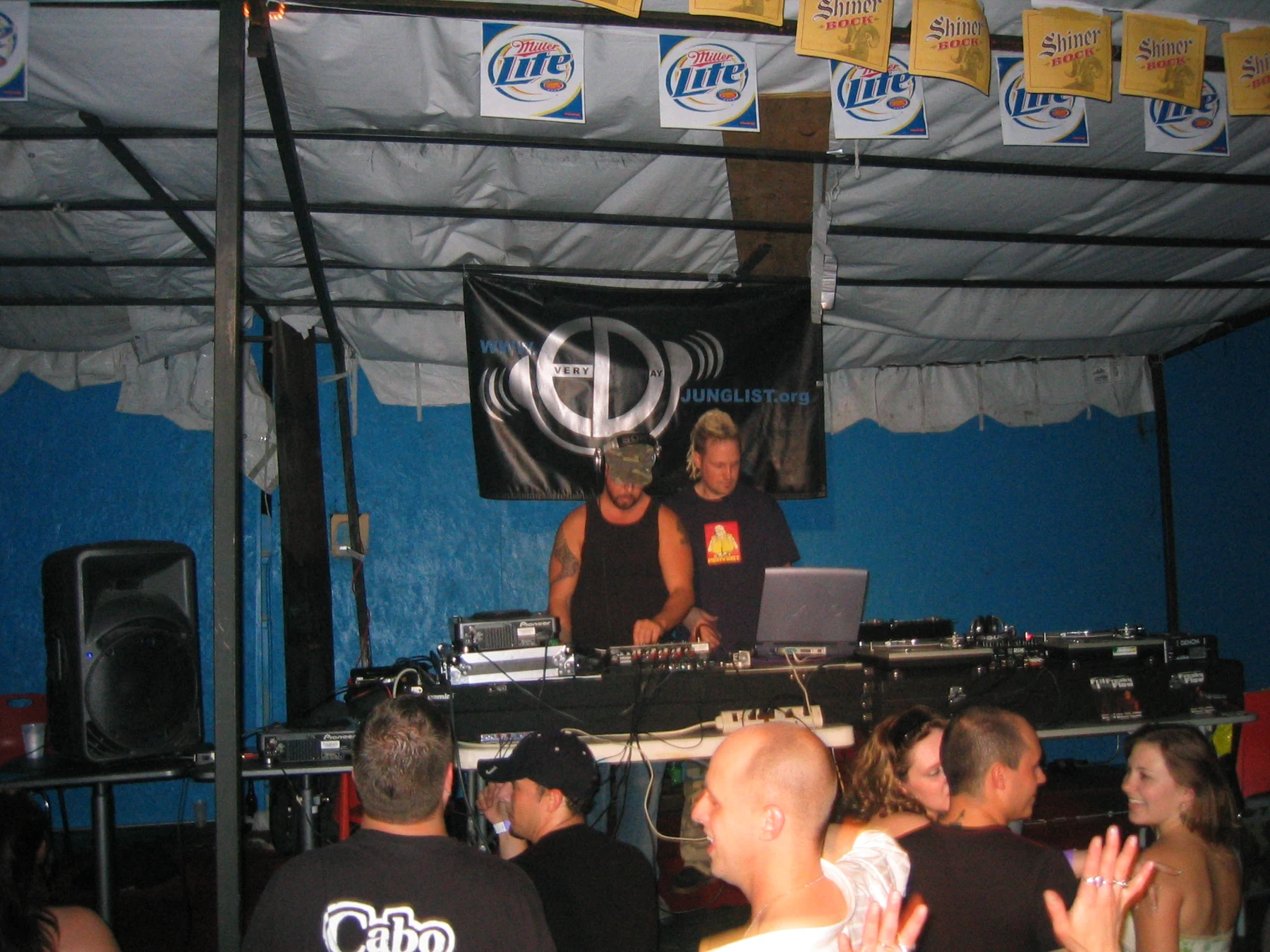
That distinction matters when you go looking for the records. Start with Baby Anne if the snap of electro drums is what caught your ear. Stay with DJ Icey for the push and pull between a broken kick pattern and a tune. Then try Hybrid’s “Finished Symphony.” The strings take their time, while the drums underneath sound as though they have a train to catch. It’s a long way from a bare electro groove, and an especially good record for hearing how much space a broken beat can leave a melody. [12]
WHAT A DJ HAS TO HEAR
Count four even beats out loud. On a four-on-the-floor house record the kick can land on every number. On a breaks record your count may stay perfectly steady while the kick arrives between numbers or sits one out. The next snare gives you your bearings. A producer can build that pattern one hit at a time on a drum machine or lift a few bars from a drummer. You can often hear the difference in the quieter moments. A sampled cymbal decay can carry a sliver of the old performance into the new one.
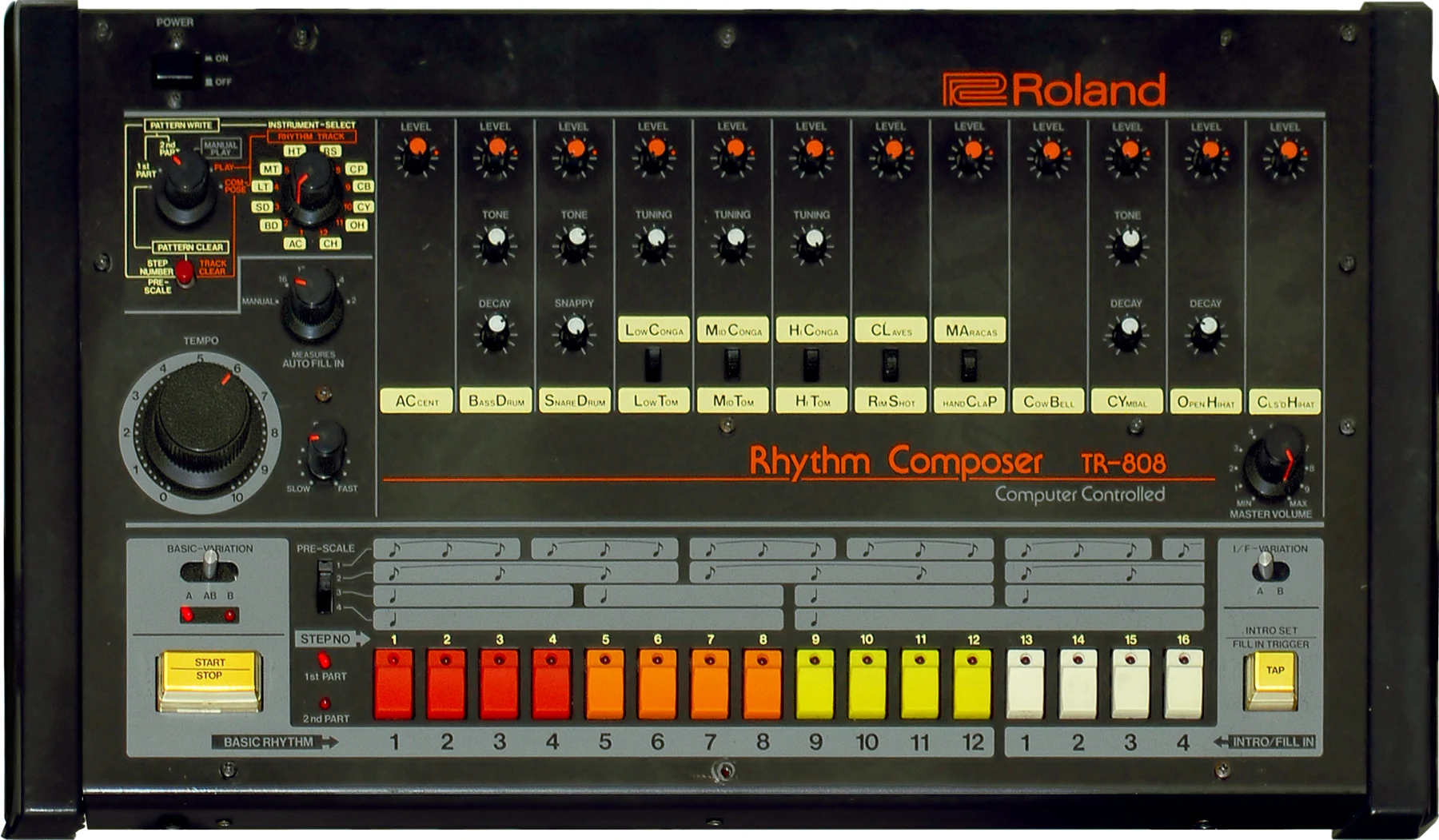
From behind the decks, the tricky part is often the handover. Two tracks can agree on tempo and still squabble for eight bars. The first has a busy fill right where the second wants to introduce its bassline. Bring both up and the entrance goes missing. Leave the fill alone, bring the bass in a phrase later, and suddenly the new record has arrived. A cue point makes the entrance easier to find again. Choosing the entrance is still the interesting bit. The same decision comes up whether the tune is on vinyl or sitting in a Traktor collection as a WAV or an MP3. [15]
For that side of breaks, try Plump DJs’ A Plump Night Out and listen for the small sounds that get louder in your attention as the groove repeats. Finger Lickin’ Records is a good name to follow from there. Soul of Man’s Justin Rushmore and Jem Panufnik helped build a home for records by Plump DJs, Krafty Kuts, Lee Coombs and Drumattic Twins. Follow a label credit and you can spend an evening hearing how several artists tackled the same problem of keeping a floor moving. [1] [9] [10]
Krafty Kuts and A.Skillz offer a particularly sociable place to start. They made Tricka Technology together, and their taste for funk gives the drums plenty of company. From there, Freestylers’ We Rock Hard and Pressure Point take you further into the overlap between breaks and bass music. Deekline is another worthwhile turn for the listener who keeps reaching for the bass knob. Those names belong together on a record shelf even when two adjacent records would make a terrible mix. [6] [7] [8] [11]
THE WAY BACK TO THE DRUMMER
The family resemblance travels beyond breaks nights. In UK garage, listen to MJ Cole or Artful Dodger and follow the gaps the kick leaves for a singer. In jungle, a chopped drum phrase might be the busiest thing on the record. Bicep’s “Glue” lets the drums roll beneath a much more spacious tune. Overmono offer another route in for someone who heard the rhythm in a newer set and wants to know where to go digging. Calling all of that “breaks” would be a quick way to disappoint somebody who bought a ticket expecting DJ Icey.
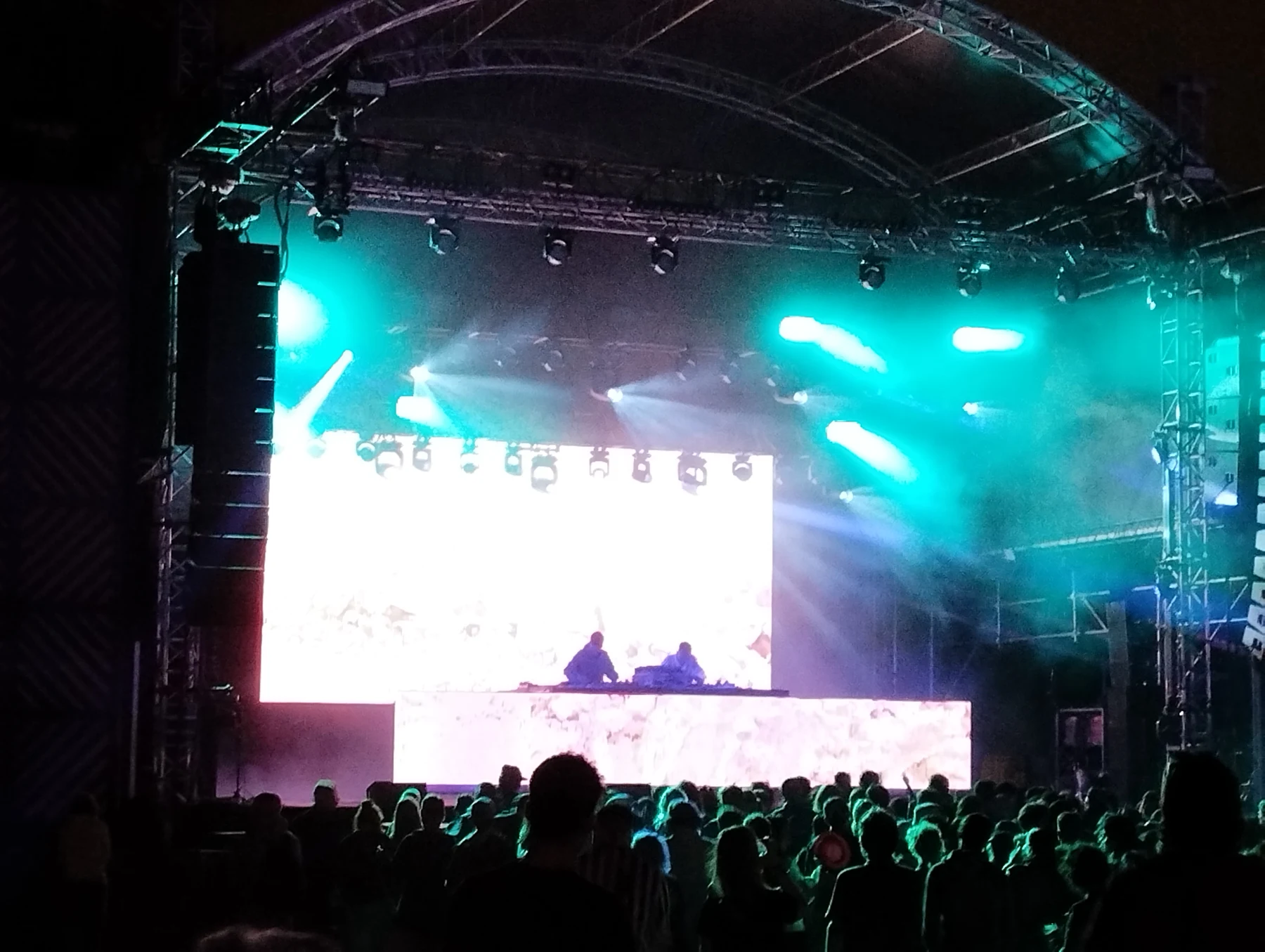
Go back to “Amen, Brother” after a few of those records. This time it’s worth staying past the solo. The horns pick up the tune and the band gets on with the song. That’s the lovely oddity of hearing the original now. For The Winstons, the next thing that happened was the horns came back. For a dancer in the Bronx, a producer chopping jungle drums or somebody digging through records in Orlando, those few bars were somewhere to start.
Broken rhythms connect decades of electronic music while leaving room for new production ideas and younger listeners.
Breakbeat is both a rhythmic description and a genre term. Related styles and crossover artists retain their own identities; the artist selection is not a ranking.
REPORTING SOURCES
Artist biographies, first-person accounts and label catalogues supporting this listening guide. Artist selections are not rankings.
- Plump DJs — artist biography ↗
- Stanton Warriors — The Stanton Session ↗
- Adam Freeland — FABRICLIVE 16 ↗
- DJ Icey — artist biography ↗
- Baby Anne — artist biography ↗
- Krafty Kuts — artist biography ↗
- A.Skillz — artist biography ↗
- Freestylers — artist biography ↗
- Soul of Man — Jem Panufnik on Finger Lickin’ ↗
- Soul of Man — breaks artists and label history ↗
- Deekline — artist biography ↗
- Hybrid — Finished Symphony ↗
- Cornell University Library — DJ Kool Herc and the breakbeat ↗
- Haus der Kulturen der Welt — The Amen Break ↗
- Native Instruments — compatible audio file formats ↗