

The hat is easy. Writing a chorus that follows somebody home is the difficult part.
Country’s crossover conversation can get stuck in the wardrobe department: boots, fringe, denim, somebody arguing about who is allowed to wear what. Meanwhile, a song is trying to tell you something. Somebody is leaving. Somebody wants them back. Somebody has made a spectacularly bad decision and, fortunately for the rest of us, found a melody for it.
That is a much better place to start. Country can travel into pop without leaving every bit of its character at the door. The interesting question is what the voice and the song carry with them.
Ray Charles did not wait for permission from a playlist
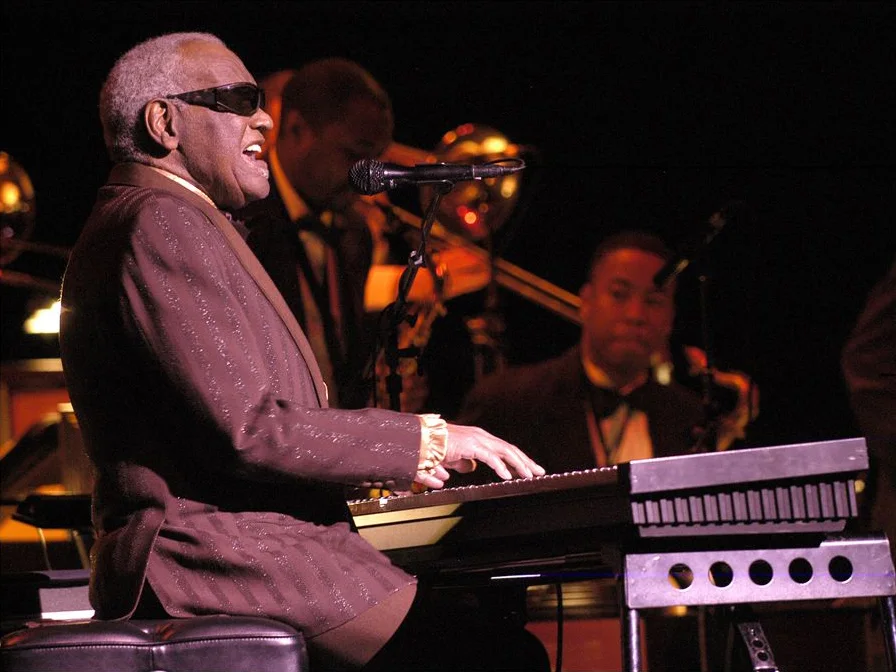
In 1962, Ray Charles released Modern Sounds in Country and Western Music. The Country Music Hall of Fame and Museum describes a musician who had grown up hearing country alongside gospel, blues and jazz. This was a musical connection with roots, rather than an unexpected costume change.
Charles took country material into his own musical world. That matters to the present argument because a song can hold its identity while a singer changes how it reaches you. The melody and the story do not disappear simply because the voice approaches them from somewhere else.
Crossover did not begin when a social feed discovered cowboy boots. Charles was exploring the possibilities decades before a recommendation engine could weigh in.
Dolly put two very different kinds of heartbreak on one album
Dolly Parton’s Jolene arrived in February 1974 with both its title track and “I Will Always Love You.” One album, two songs that put a relationship under pressure in very different ways.
That is a stronger introduction to country songwriting than a lecture about authenticity. “Jolene” makes the fear feel immediate; the other title announces a goodbye that does not erase affection. These are emotional situations a listener can recognize without sharing a birthplace, an accent or a generation.
The useful connection between country and pop begins there. A memorable song gives people a way into another musical world. It does not require every artist in that world to chase the same production, the same audience or the same look.
Listen past the outfit
Western fashion can make an immediate visual statement, but boots and a hat do not explain a composition. Listen to the voice, the phrasing and the instruments. Notice how the chorus resolves the story introduced in the verse. Then pay attention to the rhythm that makes the song move beneath those words.
An acoustic texture can sit beside contemporary electronic production. A direct vocal can share space with a large, polished arrangement. Another track may keep the performance deliberately spare. Those choices create different experiences, and they are more useful listening clues than deciding that a particular look guarantees a particular sound.
The regional roots still matter
Country music is not one city, one accent or one route into a career. Local performance communities, writers, musicians and audiences help give different artists their character. A wider audience can encounter those differences through a breakout track without immediately understanding everything around it.
That makes regional context worth exploring. When a song catches your attention, look for the artist's own account of their influences and musical background. Follow a documented collaboration or a named venue connection. It is a more rewarding path than assuming that success outside a traditional industry centre means an artist has no connection to country music's history.

Digital discovery can lead somewhere physical
A short clip might introduce the hook. A full track reveals the verses, the instrumental choices and the way the arrangement develops. A live performance adds another layer: the artist's delivery, the musicians around them and the audience's response can change what a familiar song feels like.
For a new listener, that is an opportunity to move beyond the moment that first appeared in a feed. For a longtime fan, it offers another way to discover a voice outside an established listening routine. Neither route needs to replace the other. The useful next step is spending more time with the music.
Country nightlife is more than one kind of room
A seated concert, a songwriter-focused performance and a dance-oriented night ask for different kinds of attention. The same listener might enjoy all three, but the practical details matter. Check whether an advertised event features live musicians, a DJ, dance instruction or a combination before making plans.
Venue information should also be specific. Read the organizer's admission policy, age requirements, accessibility information and schedule. A themed night is not automatically a concert by the artist whose music appears in the promotion. Clear descriptions make it easier for new fans to join in without arriving with expectations that the event was never designed to meet.
A big chorus does not erase the smaller room
A crossover hit can pull attention toward a whole genre. It can also leave a misleading impression that everything behind it sounds the same. A songwriter playing a spare arrangement and a heavily produced headline performance are offering different experiences, even when both belong in the country conversation.
That variety is worth keeping. A listener who arrives for one enormous hook may stay for a voice that is quieter, stranger or less eager to explain itself. The next discovery does not have to be the most obvious sequel to the first one.
Follow the song farther
Start with the track you already like, then choose another by the same artist that takes a different approach. After that, follow one documented influence or collaboration. A small listening chain can reveal more than a long playlist built only around the most familiar choruses.
Country's wider visibility can be an invitation rather than a verdict about who won a genre argument. The boots might catch the eye. The hook might catch the ear. What keeps a listener coming back is the voice, the story and the particular way the music makes those things feel worth hearing again.