
The hook has gone everywhere. The artist still has to answer the email.
That is the less glamorous side of an independent rap career: the track can sound enormous while the operation behind it remains small. Somebody has to approve the artwork, settle the next deadline, work out who is being paid and make sure the next release actually arrives.
A viral moment can introduce a voice. It cannot run the business. The interesting story starts when a rapper has to turn attention into something that survives the next swipe.
Independence describes several different arrangements
An artist might release through a distributor, work with a small label, use outside marketing support or bring in different partners for different projects. Calling all of those situations independent can be useful shorthand, but it does not explain who controls the music or who takes a share of revenue.
Read the actual arrangement before making claims about ownership or freedom. The artist's own public account can provide context, while a contract's details should not be guessed from branding or a social profile. Independence is not one universal business model, and a label relationship is not one universal alternative.
Russ makes the word independent less tidy
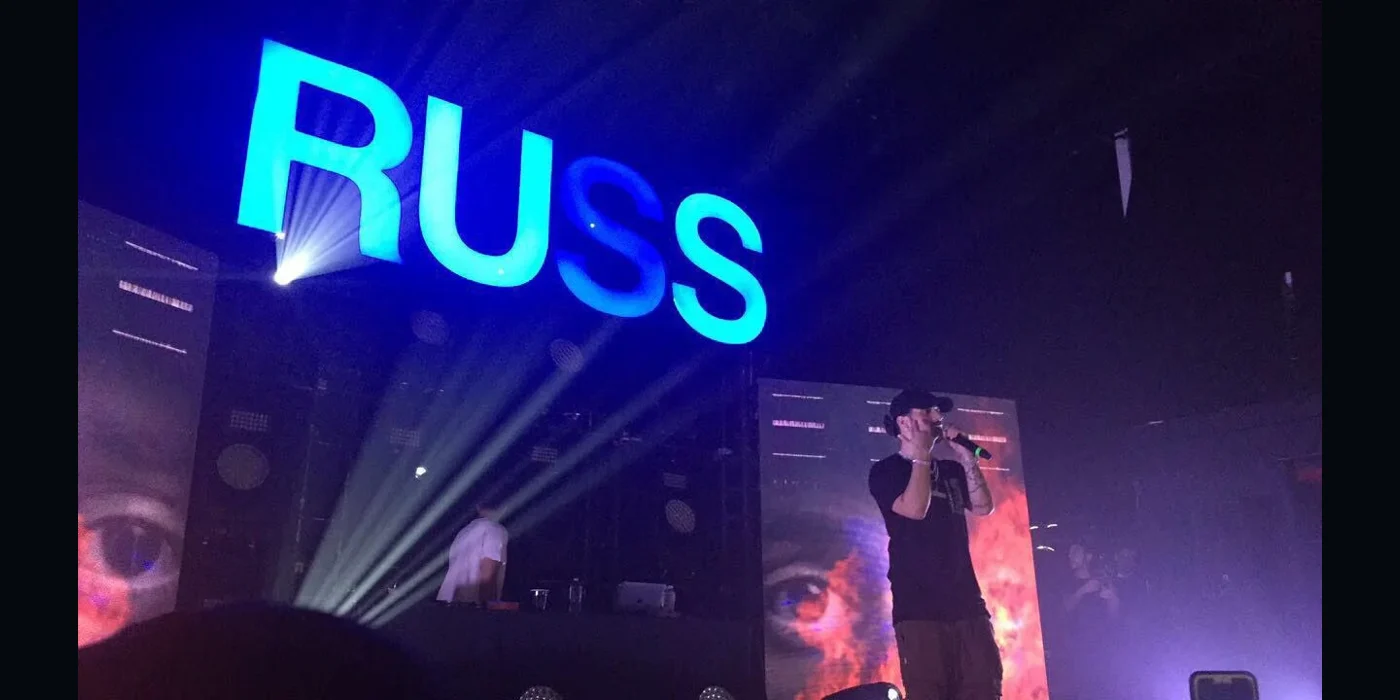
In a December 2023 interview with Music Business Worldwide, Russ discussed moving between an independent career and a Columbia partnership before returning to independence in 2020. He described working with a manager and bringing in outside publicity, marketing and creative support when needed.
That is a useful correction to the lone-genius picture. Independence can involve a team. It can also involve choosing different partners at different points in a career. Russ’s account is his experience, not a contract template or a promise that another rapper will achieve the same result.
The point is the decision-making. Who controls the release? Who handles the work? Which responsibilities stay with the artist? The word independent gets more interesting once it has people and actual choices inside it.
A stream count is a loud number with a quiet question behind it
A million plays looks beautifully simple on a screen. The money behind it is less tidy.
Spotify’s explanation of its royalty system says payments flow to rights holders and that there is no fixed universal payment for each stream. The amount an artist receives then depends on the relevant agreements. A stream counter cannot reveal those private terms.
That distinction matters when a success story turns into a claim about somebody’s personal income. Reach, royalties generated and take-home money answer different questions. A fan can celebrate a track travelling widely without pretending to have seen the artist’s accounts.
Tech N9ne puts a business beside the microphone
Tech N9ne provides another way into the story. Strange Music identifies him as a cofounder and Travis O’Guin as its CEO. The business is part of the artist’s public identity, rather than a detail hidden behind the music.
That partnership is a useful answer to the fantasy that independence means doing absolutely everything alone. A rapper can remain the centre of a project while another person brings a different set of skills. Creative ambition and an organized operation have to find a way to share the room.
The two examples do not offer one recipe. Russ’s account describes choosing partners at different points; Tech N9ne’s label identity makes the partnership itself visible. A listener hears the finished track. An independent career also depends on the people making it possible for another one to follow.

Attention and commitment are different signals
A person might enjoy a track without following the artist, attending a performance or returning for the next release. That does not make the listen worthless. It means the artist has reached someone at one stage of a possible relationship, rather than completed every part of it.
For a listener, moving further can be simple: explore another track, learn who produced it or follow an official artist channel. For an artist, the next release has to offer a reason to return. The relationship becomes stronger through repeated musical experiences, not just repeated requests to pay attention.
A live show asks a different question
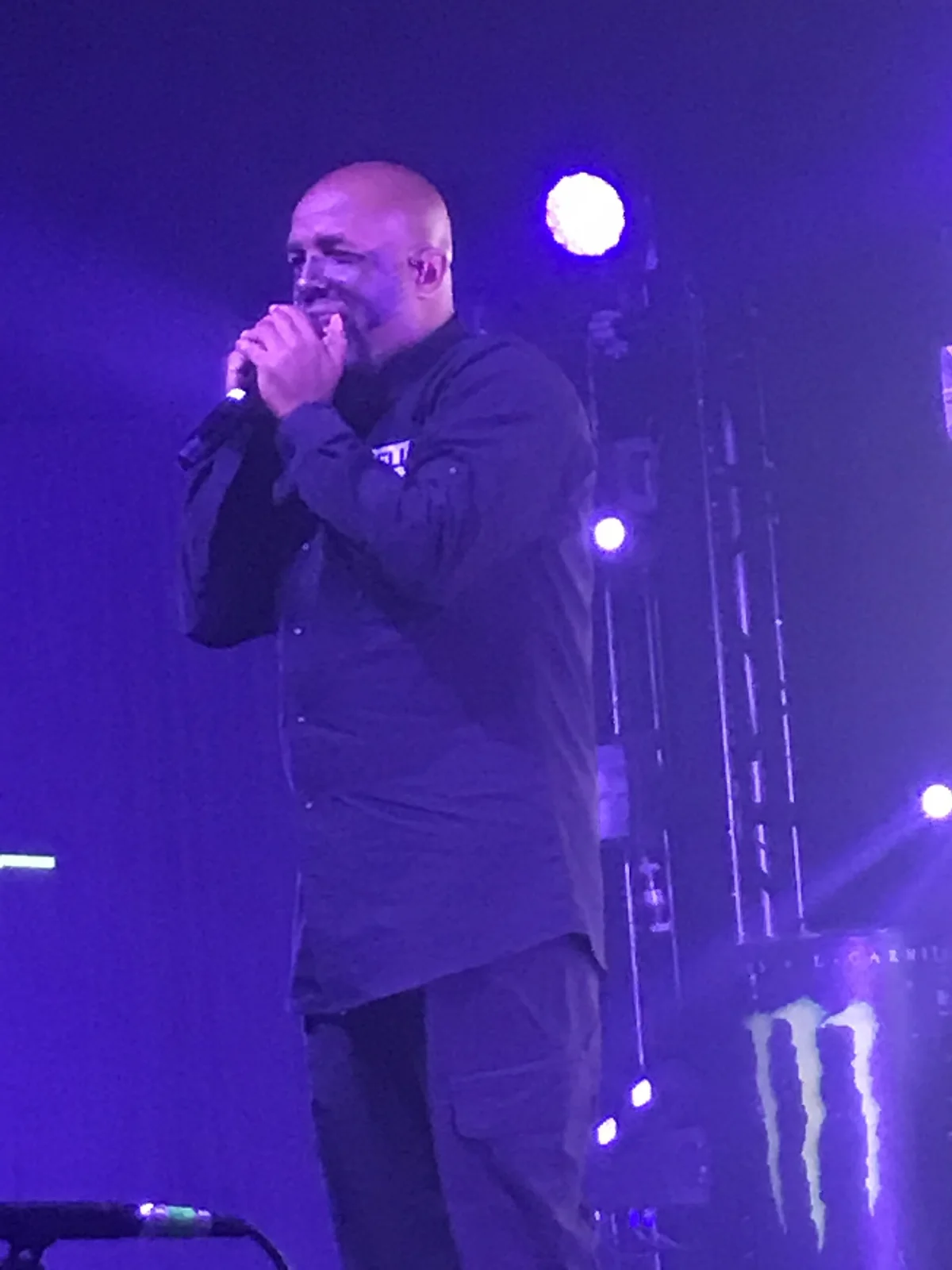
Streaming can connect people across long distances. A particular concert requires enough interested people to choose the same place and time. Geography, admission, competing plans and the format of the show all affect that decision, so broad online reach cannot be treated as a complete ticket-sales forecast.
A smaller performance can still be meaningful. It may give an artist a clearer picture of how the material works in front of people and which parts of the audience return. That is an editorial observation about live music, not a claim that every artist should use the same touring strategy or accept the same financial terms.
Direct contact is more than another number
A committed audience needs a way to hear about new work, but communication should respect the listener's choice. An official artist channel, an optional mailing list and a clearly described release are different tools. None of them replaces the need to make something worth returning to.
For fans, the useful habit is checking the identity behind a link. For artists, it is keeping the information consistent and the offer clear. A release announcement should say what is available. A show announcement should identify the actual performance. Confusion can waste the attention that a strong track worked hard to earn.
A lasting connection can begin with one attentive listen and develop through the next track, the next conversation and the next performance.
The track is the beginning of the conversation
Independent hip-hop can offer room for unusual voices, close collaboration and musical decisions that do not follow one established path. The business conversation becomes more useful when it respects that variety instead of promising a single formula for success.
A track can introduce an artist to the world. The next question is what the listener discovers after that first encounter: more music, a recognizable point of view and a reason to stay interested. That is where a moment of attention can begin to become something more durable—without pretending that every viral moment follows the same route.