
The guitar does not need another obituary. It needs somebody to turn it up at the right moment.
Rock has spent so long being declared finished that the argument has become less interesting than the music. A familiar chorus still has the ability to ambush you. A new band can still make an older listener stop talking. And a younger fan should not need a family connection to the original tour before enjoying the track.
The useful question is what is happening inside the music now, and what changes when people hear it together. That is where rock keeps giving this conversation somewhere better to go.
There is more than one measure of visibility
A streaming playlist, a festival lineup and a small venue's calendar describe different parts of musical activity. They can overlap without telling the same story. A performer may have a committed live audience that is not captured by the most visible online conversation at a particular moment.
The reverse can happen too: a familiar track can reach many casual listeners without producing the same level of interest in a full set. That is why broad claims about a genre's health need specific evidence. Name the market, the period and the kind of activity being measured before deciding what a headline can responsibly say.
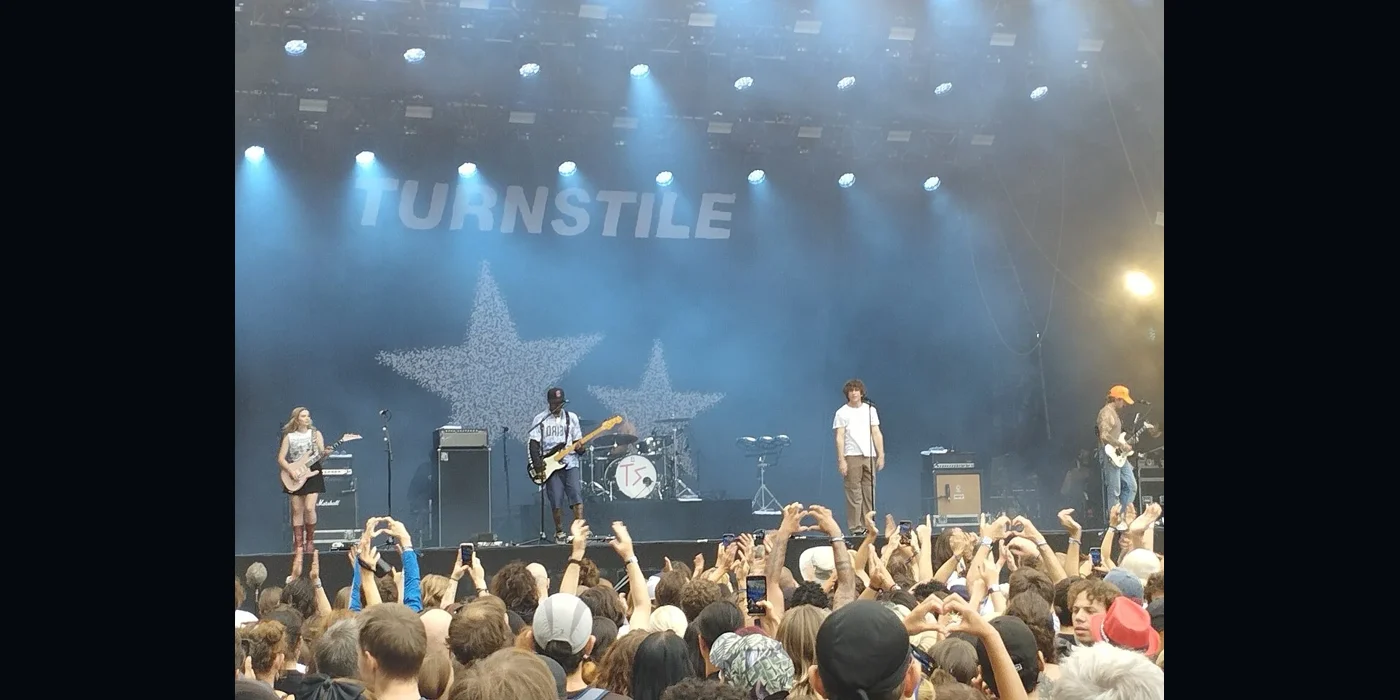
Turnstile leaves a door open to the dancefloor
Turnstile’s official listing for NEVER ENOUGH: VERSIONS describes a 22-track reimagining project. Among the credited versions are contributions from Four Tet, Floating Points and KETTAMA. The listing gives a concrete connection between a guitar-band catalogue and producers associated with electronic music.
It does not mean every version sounds alike, or that a track listing proves what will happen at a gig. It does make the old argument about keeping musical worlds apart look less useful. There are actual musicians doing something more interesting with the connection.
For a listener who comes from club music, a familiar producer’s name can be a doorway. For someone arriving from the band, the same project can point toward a different rhythmic language. Neither listener needs to abandon the music that brought them there.
Listen to the interaction
A band performance is partly a conversation between musicians. The bass can lock closely to the drums or create a different movement around them. A guitar part can fill space, introduce tension or leave room for the vocal. The arrangement decides how those roles change from one section to the next.
That gives a newcomer something concrete to follow. Listen first to the main pulse, then to the instrument that seems to push against it. Notice when a sound drops away and what becomes easier to hear. These are useful listening habits whether the music is spare and intimate or built around a much larger wall of sound.
A chorus can be an invitation rather than an entrance exam
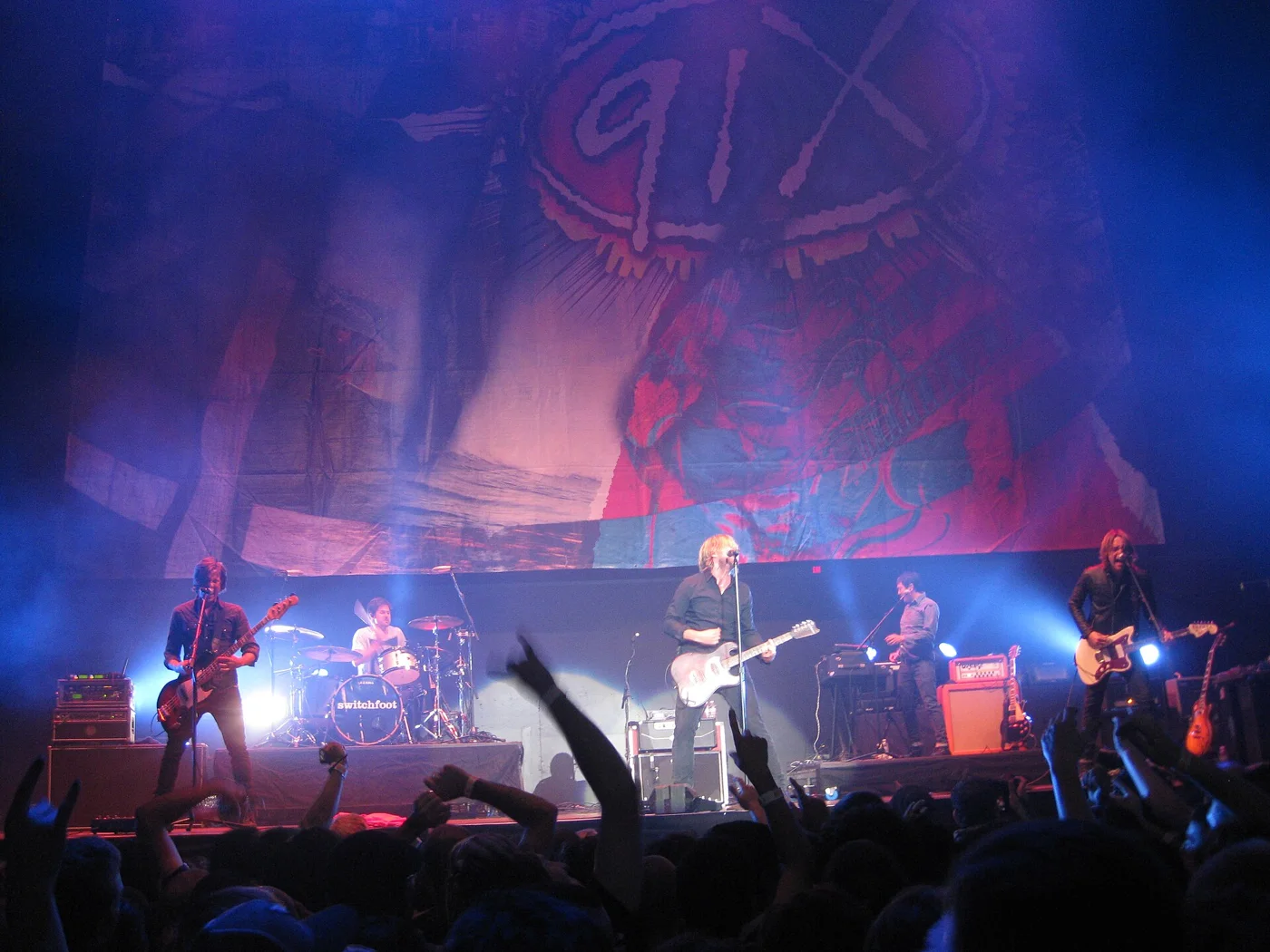
SWITCHFOOT’s official catalogue includes The Beautiful Letdown and Hello Hurricane. The band identifies itself with alternative rock. That is a specific musical identity; nobody needs to turn it into a verdict about an entire generation to explain why a listener might connect with it.
A recognizable chorus gives people something to share. What happens after that is more personal: one listener follows the voice, another notices the guitar part, another wants to know what the drummer is doing. A band earns more room in somebody’s life when there is something left to discover after recognition.

That is why introductions work better than tests. Asking which track somebody loves opens a conversation. Demanding proof that they loved it early enough usually closes one.
A small room offers a different kind of scale
In a smaller venue, the distance between the performance and the audience can become part of the experience. Details of delivery and interaction may be easier to notice. A large production creates impact in another way, through scale, staging and a different relationship with the surrounding crowd.
Neither format is automatically the more authentic choice. The practical question is what the artist and venue are presenting. A smaller show can be carefully produced; a large show can contain intimate moments. Clear event information and a little listening beforehand help an audience choose a performance that matches what they want to experience.
The phone can introduce the band. It cannot choose your night
A clip might make a performance look irresistible. Before planning around it, find the actual show: the confirmed venue, the lineup and the admission information. An arena performance and an intimate room create different kinds of encounter, and neither promises the exact moment that appeared in a video.
The reward is getting beyond the advert. A full set gives a band room to build momentum, change pace and place familiar material beside something you do not know yet. A favourite chorus can bring you through the door. It does not have to be the only reason you stay.
A scene is also the people around the stage
Performers do not create a live environment alone. Venue teams, sound crews, promoters and audiences all affect what a night feels like. Recognizing that work does not require pretending that every room operates in the same way or that every local scene faces identical conditions.
It does make local coverage valuable. A carefully checked venue guide or a well-sourced account of a particular show can tell readers something that a broad genre argument cannot. The details help connect music to a real place and give both longtime fans and newcomers a practical way to find another performance worth hearing.
Follow the sound beyond the familiar chorus
A useful listening route can be small: one track you know, another by the same performer and a documented musical connection that leads somewhere different. There is no need to master a genre's entire history before discovering something you want to hear again.
Rock's appeal is not settled by announcing that it has returned or disappeared. It is renewed in the actual encounter between music and a listener. Sometimes that happens quietly through headphones. Sometimes it happens when the drums come in, the room answers and a familiar idea suddenly feels much larger than it did a moment before.