

The bass does not check your Sunday plans before it hits.
Put Andy Mineo and Lecrae’s “Coming In Hot” beside a quiet worship performance and the phrase Christian music suddenly needs more room. Both can sit inside the conversation about faith. They are asking very different things of your speakers.
That is the way into this music: through the sound. The message matters, but it does not tell you whether the next track will rap, rock, build around a choir or leave a single voice out front. If your entire picture of Christian music comes from one radio station, you have heard one window into a much bigger house.
A category built around more than sound
House, bluegrass and drum and bass tell a listener something about musical traditions. Christian music often tells a listener something about a work's themes, the artist's public identity or the community around it. Those are overlapping ways of describing music, rather than competing answers to the same question.
That distinction matters when someone hears a gospel choir and a Christian rapper described together. The connection might be faith, but their arrangements, performance practices and audiences need not be identical. A category can help a listener discover music without flattening everything inside it into one sound.
Coming in hot, literally
“Coming In Hot” is a useful first stop because it puts two identifiable rappers in the conversation: Andy Mineo and Lecrae. Their label’s official video archive carries the track alongside several remixes. There is no need to invent a new musical movement to explain the appeal. Start with the delivery, the hook and the rhythm.
Lecrae’s own biography describes his background in hip-hop culture and places Church Clothes before his 2014 album Anomaly. His story complicates the idea that faith and hip-hop have to occupy separate musical rooms. Here is an artist working inside a culture, rather than borrowing a drum pattern to decorate a message.
A newcomer does not need a theology qualification to notice phrasing or follow a verse. A longtime listener does not have to trade the lyrics for the beat. There is enough going on to pay attention to both.
Listen to the production
Start with the drums. Are they driving a steady pulse, leaving wide gaps around the vocal or building a more active pattern? Next, follow the bass. Does it support the melody quietly or become a hook of its own? These questions make it easier to hear the music before reaching for assumptions about who it is supposed to appeal to.
The same goes for vocals. A choir can provide collective force, while one close, exposed voice creates another kind of intimacy. A rap verse can carry dense detail that would land differently in a stretched-out melody. The production decides how those choices share space, and those choices deserve attention in their own right.
The guitar has a place here, too
SWITCHFOOT offers another doorway. The band describes its music as alternative rock and identifies The Beautiful Letdown and Hello Hurricane among its major albums. That identity deserves to remain intact when the group enters a conversation about faith and music. A band is more than the shelf someone puts it on.
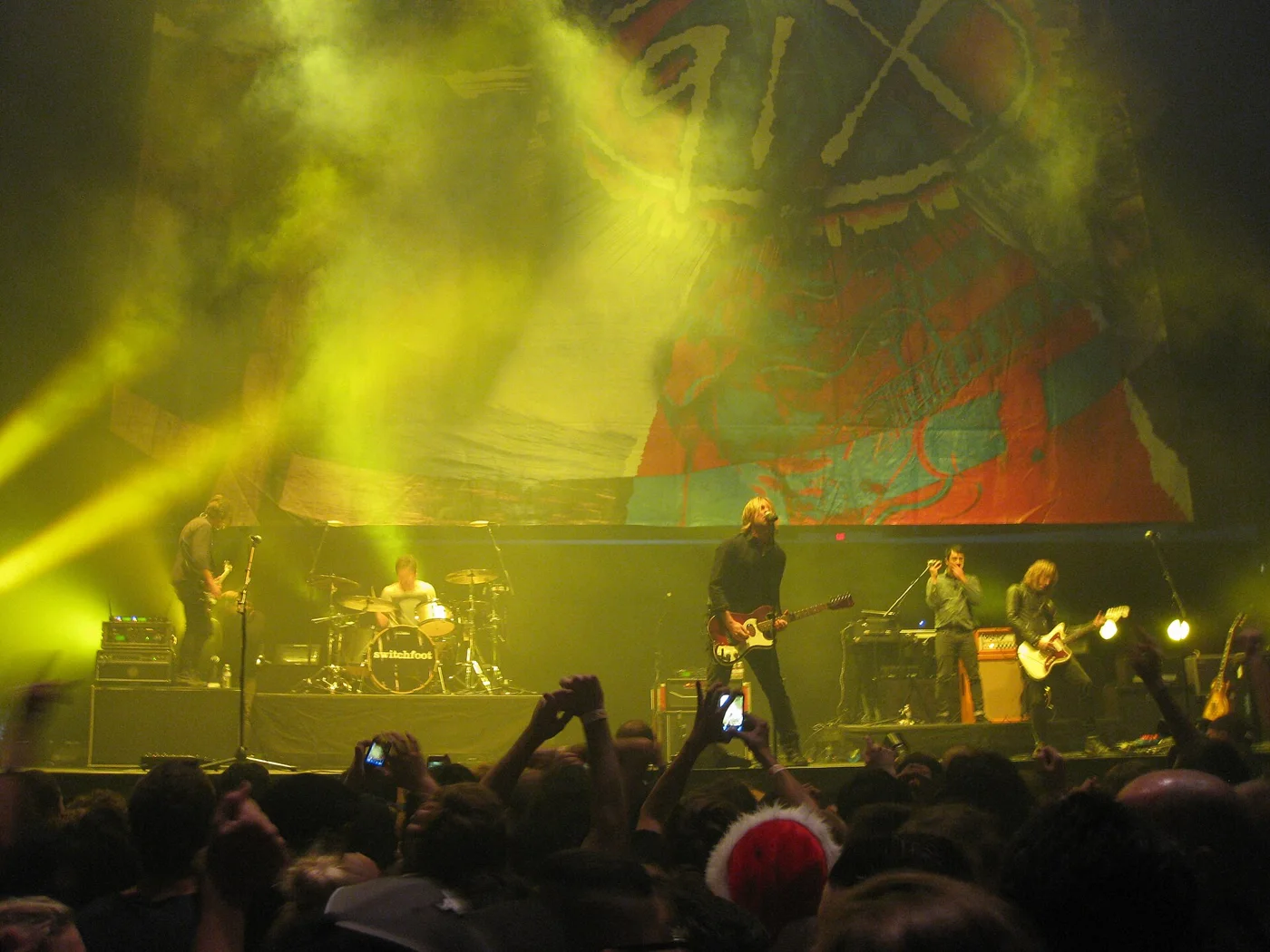

Moving from a rap track to a rock performance is a change in musical language, not a test of which listener belongs. The drums, the space around the voice and the way a chorus arrives all create a different kind of pull. That contrast makes the broad category more interesting. It also gives the next recommendation somewhere specific to go.
Gospel is not just a production ingredient
Gospel has its own histories, performance traditions and communities. A choir sound used in an electronic track does not automatically make that track a worship song, and spiritual language does not establish an artist's religious identity. The artist's own description and the context of the work matter.
The connection deserves care. It is possible to describe the effect of a choral arrangement without claiming that everyone involved shares a belief. It is also possible to appreciate contemporary production without treating older gospel practices as raw material waiting to become relevant. The musical conversation moves in more than one direction.
What kind of live event is it?
A worship gathering, an artist's headline concert and a multi-act festival can have different purposes and expectations. Before making plans, read the organizer's own description. Check the confirmed lineup, location, date, admission details and whether the event is seated, standing or built around a particular communal activity.
Those details help both new and experienced listeners choose an experience that fits. A strong stage production does not tell you whether an event is primarily congregational worship. A church venue does not explain every aspect of a concert. Clear event information is more useful than assuming what the atmosphere will be from the genre label alone.
Start with curiosity, then follow the sound
A useful first listening session needs only a few contrasting selections. Choose one track for its vocal arrangement, another for its rhythmic approach and a third for the way the lyrics develop. Compare what holds your attention and what you would want to hear in a live room.
There is no need to claim that Christian music has suddenly changed into one new thing. It already contains multiple musical conversations. The invitation is to hear those differences clearly, respect their contexts and find an artist worth following beyond the first chorus. The message may connect the category; the music gives each track its own life.